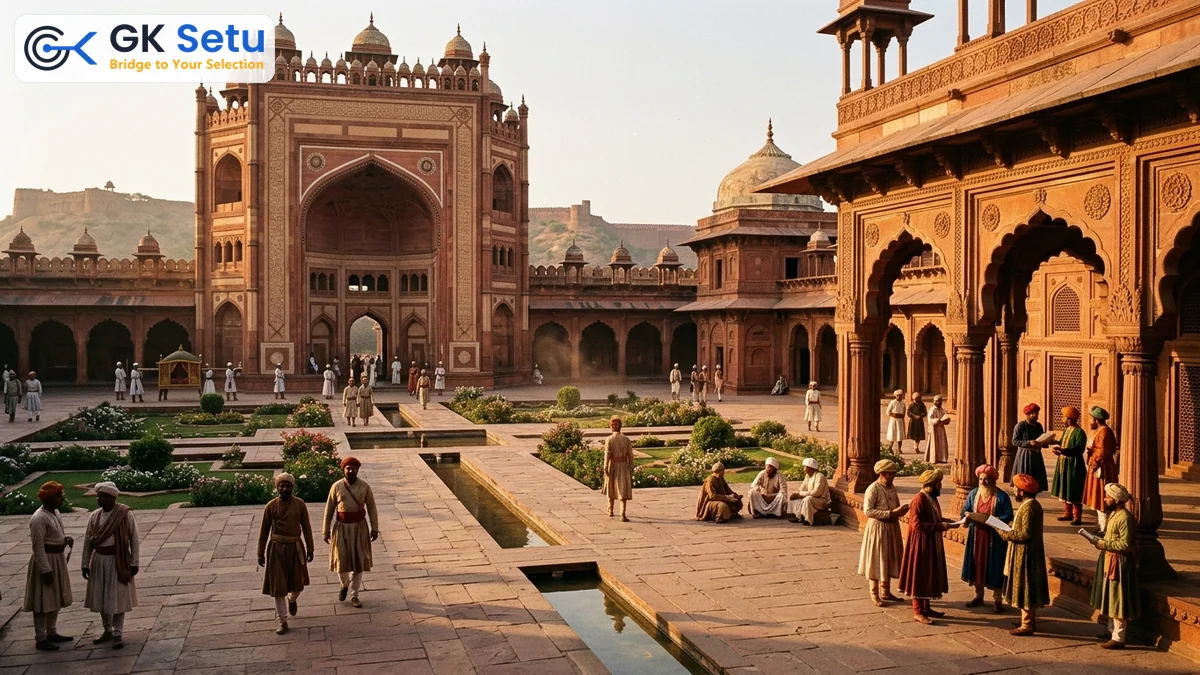
Medieval India: Redefining Administrative History
Key Exam Topics & Concepts Covered
- Medieval Indian Historiography: Systematic study of the 8th to 18th centuries.
- Administrative Continuity: Evolution of bureaucratic structures from medieval systems.
- Socio-Cultural Synthesis: Integration of diverse traditions into modern policy frameworks.
What Happened Yesterday: On November 23, 2026, the Ministry of Culture issued formal regulations for the digital archiving and pedagogical restructuring of medieval historical records.
History functions as a high-stakes game of chess spanning a thousand years. On November 23, 2026, the board shifted. By formalizing how we categorize the Medieval era—from regional sultanates to the Mughal administrative machine—India is digitizing its historical source code. This initiative calibrates the national lens regarding statecraft, taxation, and social integration. The notification has triggered significant interest among academic circles and civil service aspirants.
The Ripple Radar
- Immediate Sector Impact: Textbook publishers and coaching institutions must align modules with the new framework. Focus shifts from descriptive storytelling to governance mechanics like the Zabt system.
- Economic & Civic Impact: Standardizing these metrics streamlines the intellectual infrastructure for civil servants. Understanding medieval economic management provides a mental model for modern governance.
- Long-term Strategic Impact: India is positioning itself as a leader in historical analytics. Digitizing these records creates a proprietary database of governance accessible to researchers globally.
Essential Definitions
- Mansabdari System:
- The corporate hierarchy of the Mughal era; a grading system for rank, military obligations, and salary.
- Iqtadari System:
- An early medieval outsourcing model where land grants were issued to officers for revenue collection and administration.